Across age-old chronicles,
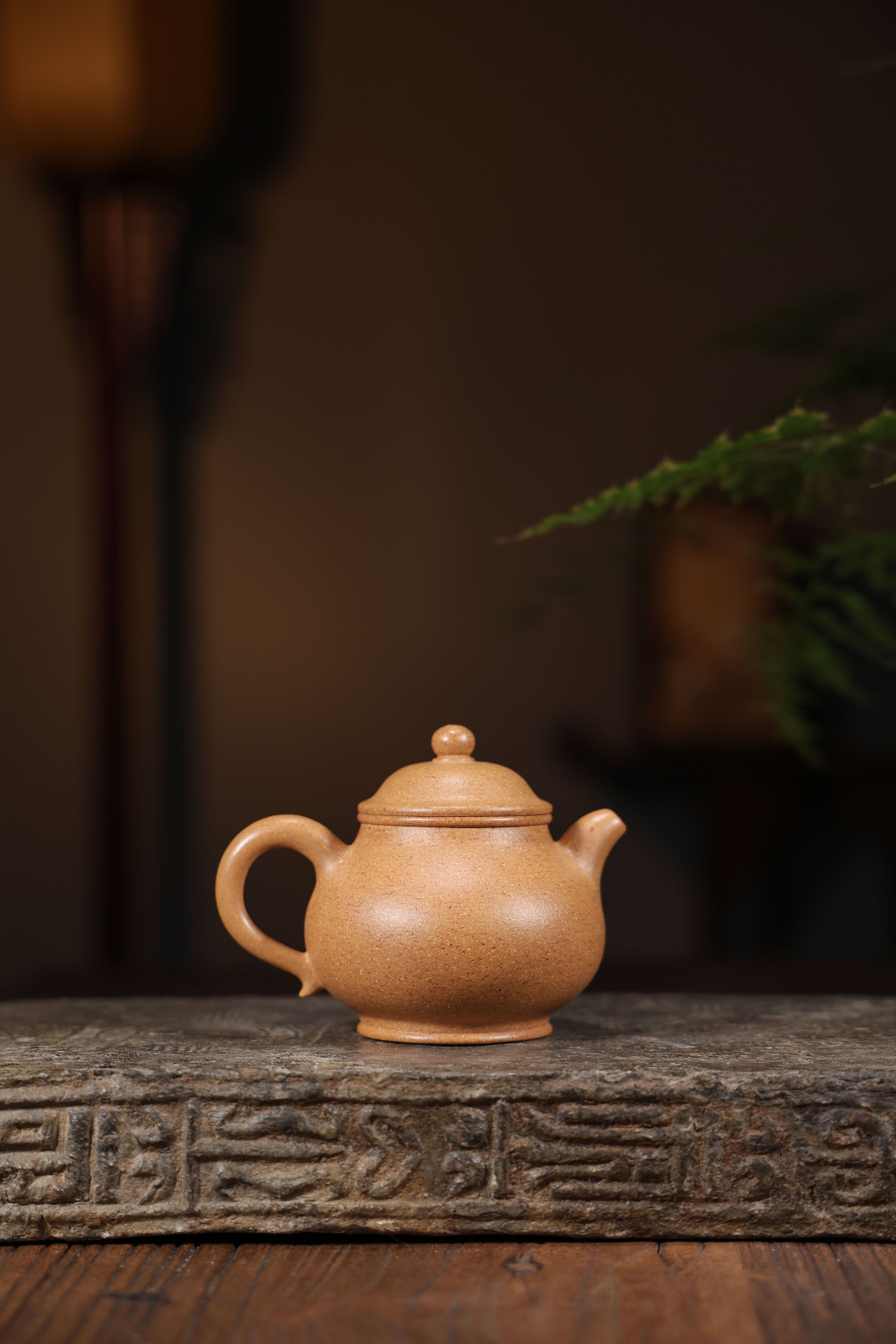
During millennia, connoisseurs have been enthralled by the unique charm of Yixing Zisha kettles. Originating from the territory of Yixing in the nation of China, these utensils are renowned for their exceptional beauty, scarce clay, and intrinsic ability to perfect the aroma of the drink. The material's distinctive mahogany hue, combined with the masterful fabrication of indigenous sculptors, creates products that are equally functional crafts and esteemed valuables. Gaining a Zisha teapot is more than just every purchase; it's accepting a rich heritage heritage.
Decoding Yixing Teapots: Origins, Varieties, and Importance
The Yixing teapots embody a significant history deeply intertwined with Chinese culture. Starting in the Yixing region of Jiangsu province, these clay vessels exhibit a heritage connecting back to the Ming Dynasty. Preliminary examples were functional, but amidst centuries, Yixing teapot manufacturing evolved into an esteemed art form. The clay itself, known for its unique character and ability to improve the flavor of the tea, continues a defining factor. Yixing teapots emerge in various Purple Clay Teapot patterns, broadly categorized by shape: Established such as Zhuni (purple clay) and Bisheng, as well as distinct designs. The esteem of a Yixing teapot centers on several factors, including the potter’s reputation, the age of the piece, the rarity of the clay, and its aesthetic grace.- Chronology: Early periods
- Clay: Several sorts
- Assessment Factors: Scarcity
Art of Zisha Pottery: Skill and Creators
Such creation of a true Zisha teapot is a demanding process, requiring decades of knowledge. Expert artisans meticulously choose the prime Zisha clay, a specialized earth found only in specific regions of China. Traditional techniques, often relayed through families, involve meticulous shaping, subtle carving, and deliberate firing in ancient furnaces. The end teapot isn't merely a pot; it's a testament to expressive vision and the significant connection between the sculptor and their roots. Each artifact showcases the unique touch of the specialist, resulting in a truly unparalleled work of masterpiece.
A Craftsmanship: Examining the Profound Customs of the Yixing Territory
The Yixing City, found in Jiangsu the province of Jiangsu, is worldwide renowned for its exceptional culinary pots – a tangible representation of centuries of Chinese heritage. These aren't merely vessels for manufacturing tea; they are intricate works of skill, often reflecting intellectual ideals. A unique purple clay, known as Zisha, possesses exceptional qualities: the clay dense, diffusive, and imparts a subtle character to the tea.
- Diverse tribes have honed the techniques of Yixing ceramic making, passing down hereditary methods through times.
- Enthusiasts prize these pieces for their appearance and exceptionality.
- Each vessel tells a legend, connecting the recipient to a rich past.
Committing to Yixing Zisha: Critical Aspects
Considering exploring acquiring Yixing Zisha pots, diverse points involve careful attention. To begin with, the soil's tint is paramount; authentic Zisha traditionally exhibits a distinct reddish cast. Additionally, scrutinize the skill; sharp elements and a silky covering show adept craft. Eventually, analyze the producer's prestige; reputable names yield boosted amounts and often grant a promising profit.
Mastering Tea Brewing Using a Zisha Pot
Brewing palatable tea with a Zisha carafe is more over a simple practice; it's an science. Zisha clay, famous for its unique geological composition, imparts a delicate character to the finished tea that’s often wanting with other implements. The suitable water level is crucial; typically, milder than what's used for black tea, to protect the tea's essence and note. Consider meticulously the tea variety; delicate green teas or aged pu-erhs benefit from the Zisha’s ability to lessen their original edge. It’s necessary to rinse the teapot earlier than brewing, and to shun over-steeping. Mastering this method leads to a genuinely exceptional tea phenomenon.
- Appreciating Zisha Clay
- Warming Level & Variety of Tea
- The Importance of Pre-warming
Sustaining Your Renowned Clay Pot
Intending to maintain the lifespan of your adored Yixing container, regular management is truly key. Abstain from using detergent; instead, tenderly flush it with warm moisture. Steer clear of sharp shifts; refrain set the ceramic pot directly onto a searing area. Periodically, enrich the clay pot by percolating it with excellent refined infusion, as this improves to enhance its nature and safeguards the peculiar attributes of the medium.
From Earth to Receptacle: The Progression of a Traditional Brewing Device
Such creation of a Zisha teapot is a remarkable procedure, a representation to both the world's bounty and the finesse of the craftsperson. It originates with the exact extraction of the special clay from the burgundy Zisha mines near Yixing. This untreated material, known for its superlative qualities, is then deliberately filtered and prepared for the primary forming. The jug's silhouette is carefully developed using a aggregation of traditional shaping procedures, often incorporating sophisticated patterns. Following settling, the jar undergoes a indispensable first firing, followed by a surface treatment stage, which might involve numerous layers of authentic Zisha paints. Finally, a second, and sometimes third, firing at maximum temperatures completes the work, revealing its conclusive beauty and extraordinary characteristics - a veritable masterpiece, primed to grace a tea ceremony.
{Yixing Teapots: A Embodiment of the Civilization and Recognition
Legendary Yixing teapots, originating from the acclaimed Yixing region of Jiangsu province, are far more than mere jars for brewing tea; they represent a profound aspect of Chinese culture. Made from distinctive purple clay – zisha – these exceptional teapots are highly treasured for their ability to complement the flavor of the tea and, crucially, for their artistic merit. The tradition of Yixing teapot making spans centuries, and the expertise involved is transmitted through generations, making each teapot a beautiful object that embodies classical techniques and a profound appreciation for the refined pleasures in life.